




 JDVS Home



Abstract
Over the past decades, the global human population has had an average annual growth rate of 1.16%. On the contrary, the global cattle population is growing at an average annual rate of 0.43%. Despite the relatively slower increase in cattle numbers, global milk production reflects an average annual growth rate of 2.0%. The widening gap between human population growth and livestock expansion, particularly in cattle, underscores the urgent need for more efficient, sustainable, and innovative strategies in livestock production. To ensure food and nutritional security, functional metabolites, or postbiotics, are obtained from bacteria, yeast and algae having variable potential in improving animal health and productivity. However, metabolites derived from yeast fermentation have an important role in stabilizing rumen pH and providing essential micronutrients for useful gut microbiota. These yeast culture metabolites have been reported in several animal studies to improve growth performance, selected immune parameters, and reproductive outcomes. This review highlights the importance of microbial functional metabolites in the betterment of animal health and performance. Moreover, this review summarizes the evidence on their production, mechanisms of action, and application across animal species and discusses safety and regulatory challenges.
Keywords:Functional metabolites; Fermentation; Animal nutrition; S. cerevisiae; Antibiotic
Introduction
The global human population has experienced steady and substantial growth over the past two decades, increasing from 6.58 billion in 2005 to 8.23 billion in 2024, an average annual growth rate of approximately 1.16% [1]. This demographic trend has placed increasing pressure on global food systems, especially the livestock sector, to meet the rising demand for animal-derived food products. Among these, milk plays a critical role in ensuring food and nutritional security due to its high biological value and richness in essential nutrients such as proteins, fats, vitamins, and minerals. To support this growing demand, the livestock industry has had to enhance production efficiency. However, the global cattle population, a primary source of milk, has not kept pace with human population growth. From 2005 to 2024, the cattle population increased only marginally from 1.43 billion to 1.56 billion, corresponding to an average annual growth rate of 0.43%. In contrast, global milk production grew from 665 million tons to a projected 979 million tons by 2025, with an average annual increase of 2.0% [2]. This disparity indicates that significant gain in milk productivity has been achieved per animal, largely due to advancements in animal nutrition, health management, genetic improvement, and farm practices. Bridging the gap between increasing human nutritional needs and limited livestock population growth requires a multidimensional approach rooted in animal nutrition and sustainable agricultural practices.
Postbiotics or metabolites are cell free biological products, which are released by microbes, and are combination of highvalue metabolic products that, when supplemented in feed, may provide synergy to promote useful microbiota, including a proportionate balance of protozoa, bacteria, and fungi in the animal gut [3]. Previously, live yeast and probiotics in combination with prebiotics had been used extensively in livestock, poultry, and aqua feed, which could not provide useful outcomes due to the fact that these probiotics and live yeast were unable to proliferate to such a useful extent to provide a beneficial impact. The major challenges faced by the live yeast and probiotics include the unstable pH of the rumen and gut due to the variable quality of drinking water and seasonal variation in fodder type and quantity along with seasonal changes in temperature and humidity, which may lead to disruption the bioavailability of essential metabolites in the gut for the growth and proliferation of natural microbiota [4]. These optimized microbial metabolites exhibit diversified biological functions [5]. Yeast culture metabolites (YCM) potentially influencing various immune-regulatory, antioxidant and anti-inflammatory pathways [6].
Application of metabolites as diet component has proven beneficiary effects in animals. In dairy cattle, an increase in milk yield has been observed [7], and a similar pattern was observed in camel as well [8]. Supplementation of postbiotics also enhanced the growth rate in growing minks [9]. Moreover, functional metabolites can be replaced by antibiotics [10] and could reduce the antibiotic use as growth promoters in animal feed [11]. One more possible role of postbiotics, as a viable path to increase biological preservation and food safety has also been studied [12]. Some bacterial metabolites in the form of bacteriocins, etc. may be utilized specifically against pathogens that increased the shelf life of food and reduced the risk of antimicrobial resistance (AMR). It has become clear that the key emphasis of the research investigation is on the search for alternative approaches to improve development and health standards [13]. With the increase in the global population and the transition towards diets higher in animal protein, it is imperative to raise food animals safely and effectively [14]. This review emphasizes the concept of postbiotics and their characterization, types, function, and application in animal health and growth. Furthermore, this review highlights the interaction of gut microbiota and postbiotics and also aims to summarize some possible future research perspectives.
Definition and classification of Functional metabolites
It is believed that trillions of microorganisms reside in the gastrointestinal tract [15]. The gut microbiome consists of beneficial as well as harmful bacteria. A fragile equilibrium occurs between both of them, and dysbiosis adversely affects the gastrointestinal system and impairs the activities of other organs [4]. Numerous studies have shown that this equilibrium may be restored with the use of postbiotics, which provide a lower risk [16]. Postbiotics are microbial products with structural and metabolic components, including cell-free supernatants, microbial lysates, teichoic acid, cell wall fragments, short-chain fatty acids, enzymes, vitamins, exopolysaccharides, different amino acids, and peptides [17].
Production processes and product characterization
Naturally, probiotics produce postbiotic components as they break down [Figure 1]. In the laboratory settings, postbiotics might also be created by radiation, heating, pressure, sonication, and chemicals. Heating is the predominant technique used to manufacture functional metabolites; however, other procedures such as radiation, tantalization, sonication, and chemical treatments are also applicable. The cellular makeup and biological activity vary according to the inactivation mechanism [18]. Current research has shifted toward postbiotics because of safety and health benefits [18]. Postbiotics serve as an effective substitute and have minimal effects on the food matrix, providing little risk of creating antibiotic resistance genes [20]. Research on laboratory models showed that non-viable cells preserve the biological characteristics of living cells, reduce inflammation, and modify host physiology [21].
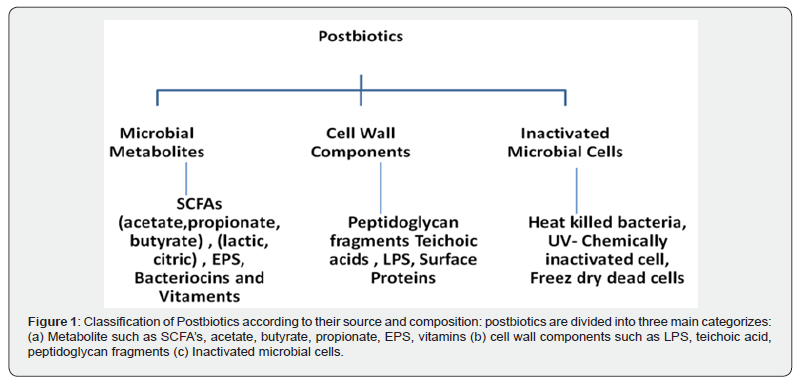
Types of functional metabolites
Yeast Culture metabolites (YCM)
Yeasts are categorized according to cellular shape, metabolic routes, modes of proliferation, and environments [22]. In anaerobic settings, such as the gastrointestinal system or surroundings which are designed for alcoholic beverage production, yeasts partially lose viability to digest carbohydrates into ethanol and CO2 [23]. Although some yeast species may be detrimental, most of them are non-infectious. Indeed, yeasts have shown beneficial health effects [24]. The renowned probiotic S. cerevisiae and its postbiotic released after fermentation are widely used in commercially available nutrition supplements. Yeast products are increasingly used as a viable substitute for antibiotics in contemporary agricultural production due to their advantageous effects on gastrointestinal health and general immunity [25].
Necrotic enteritis induced by Clostridium perfringens results in a substantial economic decrease in poultry farming, and one study indicated that feed intake of cell wall components of yeast cells can be utilized as a substitute to antibiotics in managing necrotic enteritis in poultry [26]. Yeast culture comprises a complicated amalgamation of viable and nonviable yeast and its metabolites, together with their polysaccharide cell wall components, making exact definition difficult. S. cerevisiae fermentation products, a prominent instance of YCM production including residual yeast cells, biological active by-products, and cell wall fragments are extensively used in animal feed manufacturing, especially within the dairy sector [27]. Long-term use of yeast in its viable and autoclaved form in the rumen indicated that both live and autoclaved S. boulardii enhanced metabolism in the rumen and activated good bacterial species, proving the addition of postbiotic in the rumen [28]. Research examining the effects of viable, autoclaved, and gamma rays treated S. cerevisiae on the ruminal microbial communities revealed that the use of autoclave can eliminate the majority of the stimulatory activity, but gamma ray treated cells preserved around 50% of the activity of viability [28].
These investigations demonstrate that activity status of yeast cells is contingent upon the different treatment approaches. Original live microbe and the techniques used in postbiotic development have significantly affected its efficiency. Although laboratory studies cannot meet the environmental conditions of the rumen, that undertakes fast modifications in both internal and external pressures. Moreover, the unique mix of elements in animal feed calls for greater research to evaluate the compositional modifications occurring from the production to the gastrointestinal tract. The exact methods by which YCs enhance the overall health of hosts remain anonymous. They might include immunomodulation, metabolic effects, change of the gut flora, and oxygen elimination [30]. Yeast auto-lysates, which include lysed yeast, including internal and external components. Regarding functional metabolites, it is now essential to firmly follow the postbiotics theory. More research is needed to clarify the question, such as how yeast postbiotics are produced and what the benefits of different postbiotics are in every field of science and technology [31].
Bacteria derived metabolites
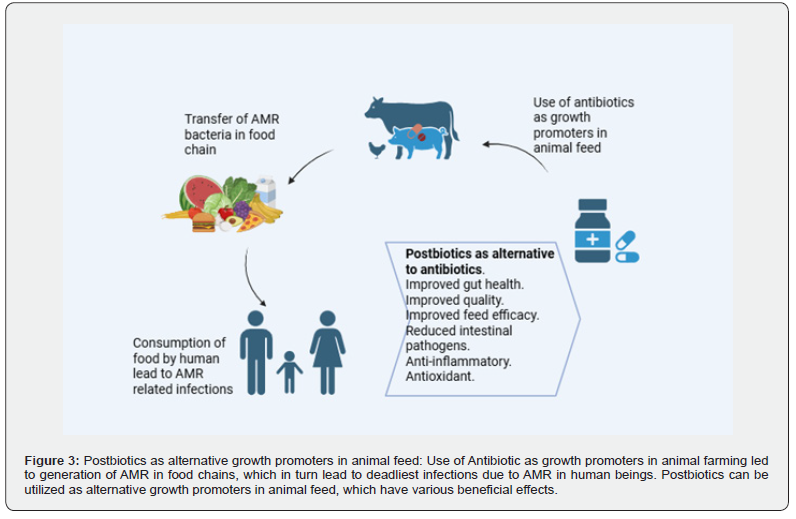
Lactic acid producing bacteria (LAB) are the major species that serve as probiotics and only a few have pathogenic properties [32]. LABs are distinguished by their capacity to ferment glucose into diverse isomers of lactic acid. Fermented foods are rich with these probiotic bacterial species. These biologically potent bacteria can be used in various feed sectors [33]. LABs are recognized for their capacity to generate diverse metabolites, such as exopolysaccharides, short-chain fatty acids, fructooligosaccharides, linoleic acids, seleno-proteins, and bacteriocins [34]. These metabolites exhibit significant health advantages, including antioxidant capabilities, immunomodulation, and strengthening of the epithelial membrane. LAB species include a minimum of 60 different types of bacteria. In food production, these probiotic bacteria have been utilized for decades. There are various commercially available pro- and postbiotics, which exhibit proven beneficial effects in various fields. For example, in a rat model, a lipolytic postbiotic derived from Lactobacillus paracasei may cure metabolic syndrome [35]. Lactococcus is a genus of bacterium often used in the process of fermentation, especially within the dairy sector. These microbes are spherical or oval and can thrive in both aerobic and anaerobic environments. Additional postbiotics derived from Pediococcus spp. are used in the dairy industry [36]. Leuconostoc served crucial functions in industrial food production, such as processed meat, dairy, and several industrial uses. The metabolites produced by Leuconostoc may serve as postbiotics for the management of fungal pathogen infections [37]. The consumption of antibiotics as feed additives in cattle has facilitated the dissemination of AMR across the food chain into the humans. The use of postbiotics lowers the risk of AMR spread [38].
Bifidobacterium is another gram-positive bacterium that can ferment glucose into lactic and acetic acids and are essential for sustaining gut health, comprising an estimated 3%–7% of the intestinal microbiota [38]. Specific strains of Bifidobacterium are known probiotics that produce organic acids and other antimicrobial compounds, including exo-polysaccharides (EPS), linoleic acid, and bacteriocins, and have the ability to modulate immune responses [40]. Furthermore, postbiotics originating from Bifidobacteria have shown suppression effects on pathogen development and proliferation, along with prospective advantages in mitigating fat deposition and regulating obesity [41]. Akkermansia muciniphila is a Gram-negative, oval-shaped, strictly anaerobic, non-spore-forming and non-motile eubacterium often present in feces, comprising roughly 1%–4 % of the gut microbiota in adults [42]. Comprehensive studies have shown that postbiotics from A. muciniphila may modulate host metabolism, including glucose and lipid metabolism. In murine models, non living cells and extracellular vesicles may influence the gutadipose liver axis to control the metabolic activities and prevent obesity [43]. Moreover, pasteurized A. muciniphila may serve as an effective therapy for infections caused by some organisms, such as Salmonella Typhimurium [44]. However, the postbiotics of yeast origin were recently promoted because of their proven application in growth development, feed efficiency, decrease of pathogens, and sustainable animal production.
Mechanism of action of functional metabolites
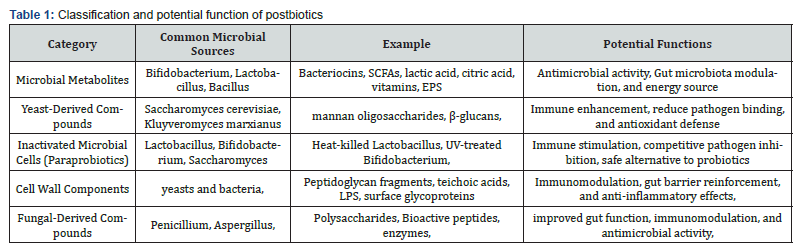
Growing data indicates that functional metabolites can interact with the immune system of the gut and exhibit potential immunomodulatory and therapeutic properties [45]. Pattern recognition receptors, including Toll-like receptors (TLRs), C-Type lectin-like receptors (CTLRs), G-protein-coupled receptors (GPCRs) and nucleotide-binding oligomerization domain-like receptors (NLRs), in the gastrointestinal tract, can identify components in postbiotics and subsequently activate downstream signaling pathways that confer advantageous effects on the host organism [46]. Toll-like receptor 2 (TLR-2] is linked to the inflammatory response elicited by gram-positive bacteria. Particular bacterial constituents, including lipoproteins, lipoteichoic acid (LTA), and peptidoglycan, can stimulate TLR-2 [47]. Whereas, TLR-4 identifies LPS found in Gram-negative bacterial species, potentially resulting in infections [48]. Short-chain fatty acids may activate immunological activities via GPCRs, such as GPR41, GPR43, and GPR109A, with potential therapeutic effects [48]. The cell wall components of yeast consist of carbohydrates, mostly β-glucan and mannan, with small quantities of chitin. In both human and animal digestive tracts, oligosaccharides present in S. cerevisiae cell walls have been shown to impact interactions between hosts- pathogen and the immune system [50]. Table 1 present the classification and potential functions of postbiotics.
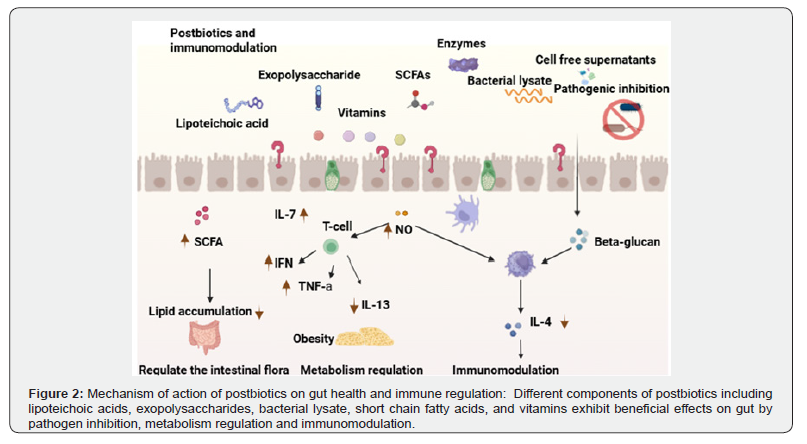
β-glucan, a well-examined component of the cell wall of S. cerevisiae, offers structural support and activates immunological responses [51]. Mannan can strengthen the gut environment by modulating the equilibrium of intestinal microecology. Furthermore, it elicits immunological responses inside the host gut [52]. Specific postbiotics originating from LAB demonstrate analogous effects. In an in-vivo research, post-weaning lambs administered the postbiotic of Lactobacillus plantarum bacterium exhibited lower blood neutrophils, leukocytes, lymphocytes, basophils, and platelets. Furthermore, there was an elevation of expression of IL-6 mRNA, accompanied by reductions in IL- 10, IL-1β, and TNF-α [53]. Heat-inactivated probiotics have demonstrated an immunoregulatory effect in the gastrointestinal tract, like to that of living bacteria [54]. A previous work has shown that heat-inactivated L. paracase, has stimulated the IL-12 release, hence augmenting innate immunity in rats [55]. Furthermore, L. paracasei live cells and postbiotic components demonstrated antifungal efficacy on planktonic cells and biofilms of Candida auris. The protective effect had been found and complemented by an improvement in immunological response. These results demonstrate a dual role of postbiotics derived from L. paracasei in influencing host immune reactions. Figure 2 represents the immunoregulatory effect of different postbiotics.
Applications of functional metabolites
Ruminants
Postbiotic treatment can enhance the bodyweight, feed intake, nutrient digestion, and total dietary intake. Izuddin et al. have demonstrated that the use of postbiotics can elevate the level of ruminal butyrate and ammonia-N, and overall volatile fatty acids (VFA) and pH remained unchanged [53]. Blood levels of nitrogen, glucose, and total protein were elevated with administered postbiotics. Postbiotic therapy resulted in a reduction in rumen methanogens and protozoa while enhancing fiber-degrading bacterial species. Postbiotics demonstrate several advantageous impacts on the health of animals by enhancing immunity, maintaining the gut microbiota, and reducing colonization and proliferation of harmful microorganisms in the gut. These positive attributes enable postbiotics to be environmentally sustainable elements that enhance the performance of animals and ensure the safety of final goods, such as meat and eggs [56]. In the dairy industry, S. cerevisiae fermentation products (SCFP) demonstrated a remarkable impact on calves’ performance, immunological function, post-weaning weight increase, and bovine disease control. The immunomodulation of SCFP may regulate the occurrence of bovine respiratory tract infections in newborn calves, hence reducing the death rate in neonates [57]. Short-chain fatty acids produced by fermentation of yeast are commonly utilized as feed additives in the livestock nutrition sector and have demonstrated beneficial effects on the health and performance of dairy cows. Studies examining the addition of SCFPs in calves consistently demonstrate advantageous results, including elevated overall dry matter intake, increased average per day growth and boosted weight gain [58].
These yeast-derived extra-pure metabolites enhanced the milk production, fortified overall immunity, diminished infections such as mastitis, fostered beneficial microflora, and elevated VFAs [58]. Supplementing the diet of lactating goats using S. cerevisiae fermentation-derived postbiotic products enhanced fiber digestibility and propionate levels in the rumen, consequently improving the energy effectiveness of the production of milk and decreasing emissions of CH4 [60]. Weaning stress remains a significant challenge to young animals; nevertheless, research indicates that metabolites generated by L. plantarum may mitigate its detrimental consequences. Supplementation with 0.3% postbiotics derived from L. plantarum may enhance developmental outcomes and immunological functions and alter the gut bacterial composition in developing minks [61].
Monogastric
Postbiotics may serve as feed additives to enhance growth performance and health in monogastric animals (Poultry and swine) [62]. Postbiotics, including L. plantarum have antioxidative properties in fowl during heat stress [63]. Furthermore, these metabolites enhanced egg quality and decreased levels of cholesterol in both yolk and plasma of laying hens [64]. Incorporating postbiotics with inulin into the diet of broiler chickens enhanced the efficiency of feed and overall body weight while also maintaining mRNA expression of growth hormone receptors, growth factor 1, and gut mucosal architecture [65]. Postbiotics from Lactobacilli markedly ameliorated the disease condition, promoted growth performance, augmented immunological response, improved the bursa-to-body weight ratio, and decreased coliform counts in the intestines of challenged hens relative to untreated birds [66]. The fermentation product of S. cerevisiae and the probiotic Bacilluc subtilis may serve as an effective alternative to antibiotics in chicken production, given their positive effects on broilers consuming an antibioticfree meal [67]. The incorporation of a postbiotic derived from S. cerevisiae is linked to a reduced burden of Salmonella enterica in chickens. Postbiotic additives to feed may facilitate the decrease of foodborne pathogens [68]. The addition of postbiotics to the regular meal of pigs may foster the development and regulate the immunity. Postbiotics suppress the proliferation of pathogens responsible for diarrhea and restore microbial equilibrium in the digestive system. Postbiotics also strengthen the gut barrier. This may lead to improved gut health and less vulnerable to intestinal diseases. For instance, including short chain fatty acids (SCFA) in the daily diet helps mitigate weaning stress in pigs by influencing the gut microbiome and enhancing the effectiveness of barriers [68]. Deactivating Lactobacillus rhamnosus can improve the development rate and feed effectiveness, decrease diarrhea, and improve immunity in young pigs [70]. A blend of postbiotics from yeast cell walls might mitigate the effects of dietary exposure to several mycotoxins, particularly deoxynivalenol, on the growth development of weaned pigs [71]. The incorporation of Saccharomyces postbiotics in diets diminished diarrhea during the initial week post-weaning and safeguarded the jejunal villi by augmenting the immune system reaction of infant pigs, fostering crypt proliferation of cells, and decreasing the level of expression of genes linked to apoptosis [72]. Furthermore, the addition of yeast postbiotics into the diets of gestating sows, nursery pigs, nursing sows, and growing pigs improved reproductive success and the development. Yeast postbiotics were most effective at 0.27 to 0.32 g/kg of feed [73].
Aquaculture
The use of postbiotics in aquaculture is still in the initial developmental stages. Initial investigation providing the groundbreaking evidence that use of postbiotics significantly improve the growth parameters in common carps [74]. Apart from growth enhancer in aquaculture [75], postbiotics may also improve the yield and quality of aquaculture [76]. For instance, application of postbiotics from S. cerevisiae not only improves the growth rate in shrimps but also reduce the Vibrio parahaemolyticus infection [77]. These improvements in quality are essential to meeting the market’s need for high-grade aquaculture goods. Furthermore, postbiotics also exhibit several beneficial effects on the health of aquatic animals by modulating the gut microflora [78]. Application of postbiotics in aquaculture can also augment the production efficacy by lowering the disease risk, such as, yeast derived postbiotics enhanced the intestinal health, lowering the hepatic damage and modulated the immune response, which ultimately increase the product quality and yield in hybrid Epinephelus [78].
Companion animals
Senior dogs often have chronic illnesses, partially due to immunity decline, which is marked by a decrease in blood helper T cells and an increase in the cytotoxic T cells. Research in adult canines indicated that the supplementation of short-chain fructooligosaccharides (scFOS) or YCM may enhance the immunological response. Therefore, including YCM and scFOS into the diet may help dogs with T-cell immune senescence by preventing some of its symptoms [80]. The addition of postbiotics enhanced the relative number of helpful bacteria, including Bacillus and Lactobacillus, in the feces, while decreasing the overall number of undesirable bacteria, such as Anaerobiospirillum and Fusobacterium. The research indicates that including postbiotics into the diet may enhance gut health of canines [81]. Dietary postbiotics, such as fatty acids, affect circulation metabolites via being absorbed and integrated into fatty acid-containing particles, like the fatty acid components of glycerol in felines. Dietary postbiotics reduced circulation levels of dimethyl glycine, betaine, and sarcosine [82]. Horses may benefit from prophylactic administration with a postbiotic generated from yeast before being subjected to stress. When comparing horses given SCFP to control, less change in their functional profile and microbial diversity was found. It makes sense that a more resilient and stable microbiome would reduce the likelihood of pathogen colonization and improve health maintenance. Postbiotics have shown favorable benefits across several species, necessitating greater investigation into the mechanisms behind these advantages [83].
Safety and regulatory consideration
The European Food Safety Authority (EFSA) governs food requirements and regularly updates them based on food safety assessments across Europe. The regulatory frameworks of the FDA and EFSA for probiotics, which rely on the generally recognized as safe (GRAS) and qualified presumption of safety (QPS) lists, are inapplicable to postbiotic preparations since they do not include live bacteria. The Food and Drug Administration (FDA) in the United States has not issued any explicit declarations about postbiotics. The FDA will likely regulate postbiotics based on the precise regulatory category chosen for a product under development, since postbiotics may be produced under many regulatory classifications. The product must comply with the standards of the applicable regulatory category for its intended use, safety, and effectiveness [84]. Postbiotics are not subject to these regulations. Consequently, a regulatory void seems to exist, permitting more latitude in the development and commercialization of postbiotic treatments than guarantees the safety of the postbiotic chemicals themselves. Until the FDA and EFSA establish a regulatory framework for postbiotics, research is necessary to ascertain appropriate safety and regulatory requirements for postbiotic preparations [85].
Climate sustainability
Mitigating the effects of climate change on the production of premium feedstuffs is essential for promoting cattle thermal well-being, maintaining high productivity, decreasing greenhouse gas emissions, and improving system sustainability [86]. The fermentation process in animal intestines generates considerable greenhouse gases, especially methane, which significantly contributes to climate change. A variety of additions, including probiotics, organic acids, plant metabolites, exogenous enzymes, fodder trees, and other bacteria, reduce methane emissions [87]. Yeasts generate beta-glucans, antioxidants, and ergosterol that bolster immune activities and mitigate oxidative cell death [88]. YCM mitigate carbon emissions from manure, thereby supporting climate sustainability and promoting animal health organically [4]. This aids in reducing greenhouse gas emissions linked to ruminant farming.
Mitigation of antibiotic resistance
The misuse of antibiotics has produced resistance to the various antibiotics [Figure 3] [88]. Postbiotic supplementation served as a substitute for antibiotics due to their positive effects on gut health, growth performance, bacterial colonization, mucin synthesis, and immune regulation [90]. Beneficial impacts of LABs and their metabolites on the well-being of livestock have been seen. The restrictions on antibiotics in agriculture positively impact the environment and subsequently diminish the prevalence of resistance in pathogenic microbes [91]. Supplementation of yeast-derived postbiotics mitigates the adverse effects linked to infection induced by Escherichia coli. These postbiotics reduce the quantity of gram-negative bacteria, decreasing the proinflammatory cytokine secretion in the jejunal mucosa, and improving absorption. Saccharomyces-derived metabolites alleviate the detrimental effects associated with infection by an intestinal pathogen [92]. The introduction of postbiotics as a feed additive can promote the bird’s health and a comprehensive management strategy for food safety. Yeast metabolites reduce the Salmonella infection in the ceca of poultry birds when given as antibiotic alternative growth promoters [93].
Olson et al. have used a chicken cecal lab model to examine the effect of feed additives of postbiotic supplements from yeast fermentation on lowering Multidrug resistance (MDR) Salmonella. The findings indicated a significant decrease in Salmonella species [94]. Furthermore, the supplementation of yeas-based postbiotics and whole yeast cells during the gestation period of sows may enhance lactating productivity and reduce mortality and antibiotic use in piglets. The results are notably significant, specifically for contemporary farming of pigs, given the rising costs of raw materials, demand for higher-performing livestock, and the associated requirement to reduce antibiotic usage [96]. The nutritional treatment of sheep with yeast based postbiotics abundant in beta-glucans, mannan and selenium increased the milk production and reduced pro-inflammatory effects [97]. The postbiotics from yeast origin were recently promoted because of their proven application in growth development, feed efficiency, decrease of pathogens, and sustainable animal production. Feed quality has a significant impact on the animal body’s energy efficiency; conversely, the heat increases the cellular defense for oxidative stress [98]. The nutritional effects on an animal’s thermoregulation and the repercussions of heat stress for their health and production are essential for climate-smart practices [98].
Limitation of postbiotics
Although postbiotics are becoming increasingly common as viable antibiotic substitutes for animal feed, a number of restrictions prevent their broad use in animal nutrition. The high manufacturing costs brought on by intricate fermentation, filtration, and stabilization procedures are one of the main obstacles [100]. Also, the fact that different strains of microbes might have different metabolic profile and biological activity, makes it hard to get the same level of effectiveness across different production system and animal species [101]. Since regulatory bodies continue to define postbiotics differently across locations, the absence of unified regulatory definitions and procedures further restricts their commercialization and integration in feed formulations [102]. Furthermore, mechanistic knowledge is still lacking, especially with regard to how postbiotic components interact with the immune system, gut microbiota, and metabolic processes in various animal species [103]. Lastly, to confirm safety, ideal doses, and economic viability under real-world farm settings, extensive, long-term in vivo research is required. To convert postbiotic research into dependable and affordable applications for sustainable animal production, these research gaps must be filled by multidisciplinary studies and well-defined regulatory frameworks.
Future Perspective
Rising concerns, including AMR, food safety, and environmental sustainability, are driving growing pressure on the livestock sector to cut antibiotic use [104]. In this regard, functional metabolites have imparted health advantages to the livestock and offer a prospective substitute for traditional growth promoters and therapies [105]. Antimicrobial characteristics of postbiotics help to control harmful bacteria while supporting the growth of good bacteria. Their use helps to promote worldwide AMR reduction programs by lowering dependence on antibiotic growth promoters (AGPs). By changing the gut microbiota and enhancing intestinal barrier performance, postbiotics help to increase nutrient digestion and absorption [106]. Compounds like lactate and butyrate have been shown to enhance epithelial integrity and the immune system, therefore lowering gastrointestinal diseases and raising feed efficiency. Better growth rates, feed conversion ratios, and general animal performance have been connected to consistent postbiotic inclusion in feed [107]. Furthermore, postbiotic help to increase animal wellbeing by lowering mortality rate and pathogen load. Postbiotics are rather stable and fit for pelleted or extruded feed, unlike probiotics, which depend on exact storage conditions or viability during processing and digestion. For big-scale cattle enterprises, this improves their practicality and economy. With increasing attention from industrial settings and scientists, the regulatory environment is progressively changing to suit postbiotics. These postbiotics are projected to become a mainstay of precision livestock farming and integrated animal health management systems as additional evidence on effectiveness and safety mounts [108]. Future research should concentrate on the identification of strain-specific postbiotic chemicals, mechanisms of action, and optimization of delivery methods. Moreover, future prospective should also base on concept of biofortification of postbiotics with essential minerals, to fulfill the malnutrition issue in humans and domesticated animals [109]. Overall, combining postbiotics with other bio-based products, including phytogenics and prebiotics, can improve their cooperative effects even further.
Conclusion
Microbial functional metabolites impact the proliferation of natural microflora in animals. These metabolites offer a sustainable means of enhancing animal health and yield by increasing gut flora, boosting the immune system, and lowering the frequency of pathogenic organisms. Bioaugmentation of these metabolites with supplementary elements provides a two-fold advantage for both cattle sectors and worldwide initiatives to counteract climate change by improving animal performance while reducing environmental impact. The use of yeast culture metabolites in sustainable animal farming would ensure global food safety and security. Functional metabolites provide viable climate-smart feed supplies and, contingent upon cost, provide the benefit of fast protein synthesis in regulated conditions, using little land and water resources, and resulting in minimal environmental effect. Moreover, postbiotics can replace the antibiotics use as growth promoters. To fully realize its possibilities across various agricultural systems, future studies should concentrate on improving strains, production techniques, and application strategies.
Acknowledgement
The authors acknowledge Bioaugment research laboratory, DairyLac private limited, Jaranwala road Faisalabad, Pakistan, for the research and technical support.
References
- Ritchie H, Rodés Guirao L, Mathieu E, Gerber M, Ortiz Ospina E, et al (2023) Population growth. Our World in Data.
- Ruane J, Restrepo L (2024) Proceedings of the FAO Global Conference on Sustainable Livestock Transformation: 25–27 September 2023. Rome: Food & Agriculture Organization of the United Nations
- Sanders ME, Merenstein DJ, Reid G, Gibson GR, Rastall RA (2019) Probiotics and prebiotics in intestinal health and disease: from biology to the clinic. Nat Rev Gastroenterol Hepatol16(10): 605-616.
- Adhikari B, Kwon YM, Hargis BM, Tellez G (2018) How trillions of microbes residing on gastrointestinal tract maintain homeostasis with host cells. Food Nutr J 10:2575-7091.
- Rahman SU (2022) Introducing next generation feed additives as extra pure metabolites (XPM) from yeast origin for better health and productivity in animals. Seminar on “Technology Innovation and Inventions”; 2022 Jul 30; Institute of Microbiology, Government College University, Faisalabad, Pakistan. Keynote speech.
- Azam M, Rahman SU, Sajjad Z, Nayab ED, Tahir M, Bashir M (2025) Role of postbiotics functional metabolites of Saccharomyces cerevisiae on productive performance in cattle and buffalo. Int J Agric Biol Sci 4:27-34.
- Liu S, Yang L, Zhang Y, Chen H, Li X, et al. (2024) Review of yeast culture concerning the interactions between gut microbiota and young ruminant animals. Front Vet Sci11:1335765.
- Bourebaba Y, Marycz K, Mularczyk M, Bourebaba L (2022) Postbiotics as potential new therapeutic agents for metabolic disorders management. Biomed Pharmacother 153:113-138.
- Xu S, Jia X, Liu Y, Pan X, Chang J, et al. (2023) Effects of yeast-derived postbiotic supplementation in late gestation and lactation diets on performance, milk quality, and immune function in lactating sows. J Anim Sci 101: skad201.
- Faraz A, Buzdar HQ, Waheed A, Hussain SM, Rahman SU, Bashir MM, et al. (2025) Milk production profile of Barela camel (Camelus dromedarius) supplemented with postbiotics in a semi-intensive management system: pilot study. Front Vet Sci 12:1576912.
- Li Z, Quan G, Jiang X, Yang Y, Ding X, Zhang D, et al. (2018) Effects of metabolites derived from gut microbiota and hosts on pathogens. Front Cell Infect Microbiol 8: 31.
- Zamojska D, Nowak A, Nowak I, Macierzyńska Piotrowska E (2021) Probiotics and postbiotics as substitutes of antibiotics in farm animals: a review. Animals 11(12): 3431.
- Ma X, Yang Z, Xu T, Qian M, Jiang X, et al. (2021) Chlortetracycline alters microbiota of gut or faeces in pigs and leads to accumulation and migration of antibiotic resistance genes. Sci Total Environ 796:148976.
- Moradi M, Kousheh SA, Almasi H, Alizadeh A, Guimarães JT, et al. (2020) Postbiotics produced by lactic acid bacteria: the next frontier in food safety. Compr Rev Food Sci Food Saf 19(6):3390-3415.
- Govoni C, Chiarelli DD, Luciano A, Ottoboni M, Perpelek SN, Pinotti L, et al. (2021) Global assessment of natural resources for chicken production. Adv Water Resour. 2154:103987.
- Nadathur SR, Wanasundara JPD, Scanlin L (2017) Proteins in the diet: challenges in feeding the global population. In: Sustainable Protein Sources. Academic Press p: 1 19.
- Toor D, Wsson MK, Kumar P, Karthikeyan G, Kaushik NK, et al. (2019) Dysbiosis disrupts gut immune homeostasis and promotes gastric diseases. Int J Mol Sci 20(10):2432.
- Blazheva D, Mihaylova D, Averina OV, Slavchev A, Brazkova M, Poluektova EU, et al. (2022) Antioxidant potential of probiotics and postbiotics: a biotechnological approach to improving their stability. Russ J Genet 2022;58(9):1036-1050.
- Vinderola G, Sanders ME, Salminen S (2022) The concept of postbiotics. Foods 11(8): 1077.
- Karbowiak M, Gałek M, Szydłowska A, Zielińska D (2022) The influence of the degree of thermal inactivation of probiotic lactic acid bacteria and their postbiotics on aggregation and adhesion inhibition of selected pathogens. Pathogens 11(11): 1260.
- Suthar P, Kumar S, Kumar V, Sharma V, Dhiman A (2025) Postbiotics: an exposition on next generation functional food compounds—opportunities and challenges. Crit Rev Food Sci Nutr 65(6):1163–1182.
- Nataraj BH, Ali SA, Behare PV, Yadav H (2020) Postbiotics parabiotics: the new horizons in microbial biotherapy and functional foods. Microb Cell Fact 19(1):168.
- Akter S, Park JH, Jung HK (2020) Potential health promoting benefits of paraprobiotics, inactivated probiotic cells. J Microbiol Biotechnol 30(4):477.
- Broach JR (2012) Nutritional control of growth and development in yeast. Genetics 192(1): 73-105.
- Behera SS, Ray RC, Das U, Panda SK, Saranraj P (2019) Microorganisms in fermentation. In: Essentials in Fermentation Technology. Cham: Springer. P: 1-39.
- Abid R, Waseem H, Ali J, Ghazanfar S, Muhammad Ali G, Elasbali AM, et al. (2022) Probiotic yeast Saccharomyces: back to nature to improve human health. J Fungi 8(5): 444.
- Liu Y, Jia X, Chang J, Pan X, Jiang X, et al. (2023). Yeast culture supplementation of sow diets regulates the immune performance of their weaned piglets under lipopolysaccharide stress. J Anim Sci 101: skad226.
- Ahiwe EU, Chang’a EP, Abdallh ME, Al Qahtani M, Kheravii SK, Wu S, et al. (2019) Dietary hydrolysed yeast cell wall extract is comparable to antibiotics in the control of subclinical necrotic enteritis in broiler chickens. Br Poult Sci 60(6): 757-765.
- Alugongo GM, Xiao JX, Chung YH, Dong SZ, Li SL, Yoon I, et al. (2017) Effects of Saccharomyces cerevisiae fermentation products on dairy calves: performance and health. J Dairy Sci 100(2): 1189-1199.
- Klopp RN, Yoon I, Eicher S, Boerman JP (2022) Effects of feeding Saccharomyces cerevisiae fermentation products on the health of Holstein dairy calves following a lipopolysaccharide challenge. J Dairy Sci 105(2):1469-1479.
- Oeztuerk H (2009) Effects of live and autoclaved yeast cultures on ruminal fermentation in vitro. J Anim Feed Sci 18(1):1 42-150.
- Sadeghi A, Ebrahimi M, Shahryari S, Kharazmi MS, Jafari SM (2022) Food applications of probiotic yeasts; focusing on their techno-functional, postbiotic and protective capabilities. Trends Food Sci Technol 128: 278–295.
- Holanda DM, Yiannikouris A, Kim SW (2020) Investigation of the efficacy of a postbiotic yeast cell wall-based blend on newly weaned pigs under a dietary challenge of multiple mycotoxins with emphasis on deoxynivalenol. Toxins 12(8):504.
- Mathur H, Beresford TP, Cotter PD (2020) Health benefits of lactic acid bacteria (LAB) fermentates. Nutrients12(6):1679.
- Carr FJ, Chill D, Maida N (2002) The lactic acid bacteria: a literature survey. Crit Rev Microbiol 28(4): 281-370.
- Pessione E (2012) Lactic acid bacteria contribution to gut microbiota complexity: lights and shadows. Front Cell Infect Microbiol 2: 86.
- Osman A, El Gazzar N, Almanaa TN, El Hadary A, Sitohy M (2021) Lipolytic postbiotic from Lactobacillus paracasei manages metabolic syndrome in albino Wistar rats. Molecules 26(2): 472.
- Jiang S, Cai L, Lv L, Li L (2021) Pediococcus pentosaceus, a future additive or probiotic candidate. Microb Cell Fact 20(1): 45.
- Divyashree S, Shruthi B, Vanitha PR, Sreenivasa MY (2023) Probiotics and their postbiotics for the control of opportunistic fungal pathogens: A review. Biotechnol Rep 38: e00800.
- Sepordeh S, Jafari AM, Bazzaz S, Abbasi A, Aslani R, et al. (2024) Postbiotic as novel alternative agent or adjuvant for the common antibiotic utilized in the food industry. Curr Pharm Biotechnol 25(10): 1245–1263.
- Cheikhyoussef A, Pogori N, Chen H, Tian F, Chen W, Tang J, et al. (2009) Antimicrobial activity and partial characterization of bacteriocin-like inhibitory substances (BLIS) produced by Bifidobacterium infantis BCRC 14602. Food Control 20(6): 553-559.
- Mei Y, Chen H, Yang B, Zhao J, Zhang H, Chen W (2022) Research progress on conjugated linoleic acid bio conversion in Bifidobacterium. Int J Food Microbiol 369: 109593.
- Amiri S, Rezazadeh Bari M, Alizadeh Khaledabad M, Rezaei Mokarram R, Sowti Khiabani M (2021) Fermentation optimization for co production of postbiotics by Bifidobacterium lactis BB12 in cheese whey. Waste Biomass Valor 12(11):5869-5884.
- Kalia VC, Gong C, Shanmugam R, Lin H, Zhang L, Lee JK (2022) The emerging biotherapeutic agent: Akkermansia. Indian J Microbiol 62(1): 1-10.
- Ashrafian F, Keshavarz Azizi Raftar S, Lari A, Shahryari A, Abdollahiyan S, Moradi HR, et al (2021) Extracellular vesicles and pasteurized cells derived from Akkermansia muciniphila protect against high fat induced obesity in mice. Microb Cell Fact 20: 219.
- Liu J, Liu H, Liu H, Teng Y, Qin N, et al. (2023) Live and pasteurized Akkermansia muciniphila decrease susceptibility to Salmonella Typhimurium infection in mice. J Adv Res 52: 89-102.
- Yeşilyurt N, Yılmaz B, Ağagündüz D, Capasso R (2021) Involvement of probiotics and postbiotics in the immune system modulation. Biologics 1(2): 89–110.
- Hu W, Spaink HP (2022) The role of TLR2 in infectious diseases caused by mycobacteria: from cell biology to therapeutic target. Biology 11(2): 246.
- Russo E, Giudici F, Fiorindi C, Ficari F, Scaringi S, Amedei A (2019) Immunomodulating activity and therapeutic effects of short chain fatty acids and tryptophan post-biotics in inflammatory bowel disease. Front Immunol 10:2754.
- Zhang Y, Liang X, Bao X, Xiao W, Chen G (2022) Toll like receptor 4 (TLR4) inhibitors: current research and prospective. Eur J Med Chem 235:114291.
- Higuchi A, Morishita M, Nagata R, Maruoka K, Katsumi H, Yamamoto A (2023) Functional characterization of extracellular vesicles from Baker’s yeast Saccharomyces cerevisiae as a novel vaccine material for immune cell maturation. J Pharm Sci 112(2): 525-534.
- Qi C, Cai Y, Gunn L, Ding C, Li B, Kloecker G, et al. (2011) Differential pathways regulating innate and adaptive antitumor immune responses by particulate and soluble yeast derived β glucans. Blood 117(25): 6825-6836.
- Wang W, Li Z, Han Q, Guo Y, Zhang B, D’Inca R (2016) Dietary live yeast and mannan-oligosaccharide supplementation attenuate intestinal inflammation and barrier dysfunction induced by Escherichia coli in broilers. Br J Nutr 116(11): 1878-1888.
- Izuddin WI, Loh TC, Foo HL, Samsudin AA, Humam AM, Shazali N (2019) Effects of postbiotic supplementation on growth performance, ruminal fermentation and microbial profile, blood metabolite and GHR, IGF 1 and MCT 1 gene expression in post weaning lambs. BMC Vet Res 15: 229.
- Ou CC, Lin SL, Tsai JJ, Lin MY (2011) Heat killed lactic acid bacteria enhance immunomodulatory potential by skewing the immune response toward Th1 polarization. J Food Sci 76(5):M260-M267.
- Iwabuchi N, Yonezawa S, Odamaki T, Yaeshima T, Iwatsuki K, Xiao JZ. (2012) Immunomodulating and anti-infective effects of a novel strain of Lactobacillus paracasei that strongly induces interleukin 12. FEMS Immunol Med Microbiol 66(2): 230-239.
- Feye KM, Carroll JP, Anderson KL, Whittaker JH, Schmidt McCormack GR, McIntyre DR, et al. (2019) Saccharomyces cerevisiae fermentation products that mitigate foodborne Salmonella in cattle and poultry. Front Vet Sci 6: 107.
- Maina TW, McDonald PO, Samuel BER, Sardi MI, Yoon I, et al. (2024) Feeding Saccharomyces cerevisiae fermentation postbiotic products alters immune function and the lung transcriptome of preweaning calves with an experimental viral bacterial coinfection. J Dairy Sci 107(4): 2253-2267.
- Harris TL, Liang Y, Sharon KP, Sellers MD, Yoon I, Scott MF, et al. (2017) Influence of Saccharomyces cerevisiae fermentation products, SmartCare in milk replacer and Original XPC in calf starter, on the performance and health of preweaned Holstein calves challenged with Salmonella enterica serotype Typhimurium. J Dairy Sci 100(9): 7154-7164.
- Fernández C, Romero T, Badiola I, Díaz Cano J, Sanzol G, et al (2023) Postbiotic yeast fermentation product supplementation to lactating goats increases the efficiency of milk production by enhancing fiber digestibility and ruminal propionate, and reduces energy losses in methane. J Anim Sci Pp: 101
- Li Y, Zhen S, Cao L, Sun F, Wang L (2023) Effects of Lactobacillus plantarum postbiotics on growth performance, immune status, and intestinal microflora of growing minks. Animals 13(18): 2958.
- Kareem KY, Loh TC, Foo HL, Asmara SA, Akit H (2017) Influence of postbiotic RG14 and inulin combination on cecal microbiota, organic acid concentration, and cytokine expression in broiler chickens. Poult Sci 96(4): 966-975.
- Humam AM, Loh TC, Foo HL, Samsudin AA, Mustapha NM et al. (2019) Effects of feeding different postbiotics produced by Lactobacillus plantarum on growth performance, carcass yield, intestinal morphology, gut microbiota composition, immune status, and growth gene expression in broilers under heat stress. Animals 9(9): 644.
- Loh TC, Thu TV, Foo HL, Bejo MH (2013) Effects of different levels of metabolite combination produced by Lactobacillus plantarum on growth performance, diarrhoea, gut environment and digestibility of postweaning piglets. J Appl Anim Res 41(2): 200-207.
- Kareem KY, Loh TC, Foo HL, Akit H, Samsudin AA (2016) Effects of dietary postbiotic and inulin on growth performance, IGF 1 and GHR mRNA expression, faecal microbiota and volatile fatty acids in broilers. BMC Vet Res 12(1): 163.
- Abd El Ghany WA, Fouad H, Quesnell R, Sakai L (2022) The effect of a postbiotic produced by stabilized non-viable Lactobacilli on the health, growth performance, immunity, and gut status of colisepticaemic broiler chickens. Trop Anim Health Prod 54(5): 286.
- Soren S, Mandal GP, Mondal S, Pradhan S, Mukherjee J, et al. (2024) Efficacy of Saccharomyces cerevisiae fermentation product and probiotic supplementation on growth performance, gut microflora and immunity of broiler chickens. Animals 14(6): 866.
- Chaney WE, Naqvi SA, Gutierrez M, Gernat A, Johnson TJ, Petry D (2022) Dietary inclusion of a Saccharomyces cerevisiae derived postbiotic is associated with lower Salmonella enterica burden in broiler chickens on a commercial farm in Honduras. Microorganisms. 10(3): 544.
- Jiao S, Zheng Z, Zhuang Y, Tang C, Zhang N (2023) Dietary medium chain fatty acid and Bacillus in combination alleviate weaning stress of piglets by regulating intestinal microbiota and barrier function. J Anim Sci 101: skac414.
- Kang J, Lee JJ, Cho JH, Choe J, Kyoung H, et al. (2021) Effects of dietary inactivated probiotics on growth performance and immune responses of weaned pigs. J Anim Sci Technol 63(3): 520-530.
- Holanda DM, Yiannikouris A, Kim SW (2020) Investigation of the efficacy of a postbiotic yeast cell wall-based blend on newly weaned pigs under a dietary challenge of multiple mycotoxins with emphasis on deoxynivalenol. Toxins 12(8):504.
- Duarte ME, Kim SW (2024) Efficacy of Saccharomyces yeast postbiotics on cell turnover, immune responses, and oxidative stress in the jejunal mucosa of young pigs. Sci Rep14(1):19235.
- Kim SW, Duarte ME (2024) Saccharomyces yeast postbiotics supplemented in feeds for sows and growing pigs for its impact on growth performance of offspring and growing pigs in commercial farm environments. Anim Biosci 37(8): 1463-1473.
- Meng D, Hao Q, Zhang Q, Yu Z, Liu S, et al. (2023) A compound of paraprobiotic and postbiotic derived from autochthonous microorganisms improved growth performance, epidermal mucus, liver and gut health and gut microbiota of common carp (Cyprinus carpio). Aquaculture 570: 739378.
- Goh JX, Tan LT, Law JW, Khaw KY, Zengin G, et al. (2023) Probiotics: comprehensive exploration of the growth promotion mechanisms in shrimps. Progress In Microbes & Molecular Biology 6 (1).
- Mosallaie F, Falah F, Yazdi FT, Mortazavi SA, Vasiee A (2025) Development of postbiotic supplemented polylactic acid films for improving quality and shelf life of rainbow trout. Sci Rep15(1): 24305.
- Prabu E, Felix N, Nsereko VL, Sawanboonchun J, Uma A, Sathishkumar G, et al. (2025) Impacts of dietary Saccharomyces cerevisiae fermentation derived postbiotic on growth performance and health status of Pacific white shrimp. Sci Rep 15(1): 20862.
- Wang J, Li S, Jian Y, Song J, Zheng J, Zhou D, et al. (2023). Dietary postbiotics supplementation improves growth, survival rate, antioxidant capacity, non-specific immunity and gut health of juvenile oriental river prawn (Macrobrachium nipponense). Aqua Rep 33: 101771.
- Cheng Z, Wang Q, Lei K, Xu L, Wang Q (2025) Positive Effects of Dietary Postbiotics on Growth, Intestinal Health, Immunity, and Ammonia Nitrogen Tolerance in Hybrid Grouper (Epinephelus Fuscoguttatus ♀ × Epinephelus Lanceolatus ♂).
- Wambacq WA, Apper E, Le Bourgot C, Barbe F, Lyu Y, et al. (2024) A new combination of a prebiotic and postbiotic mitigates immunosenescence in vaccinated healthy senior dogs. Front Vet Sci 11: 1392985.
- Xuan CA, Liu SL, Wang Y, Fang MK, Yang YZ (2024) Effect of postbiotic supplementation on fecal characteristics, serum biochemical indexes, and fecal flora of dogs. Feed Res 47(1):1-8.
- Jewell DE, Jackson MI (2020) Dietary fatty acids change circulating fatty acids, microbial putrefactive postbiotics and betaine status in the cat. Animals 10(12):2310.
- Ganda E, Chakrabarti A, Sardi MI, Tench M, Kozlowicz BK, Norton SA, et al. (2023) Saccharomyces cerevisiae fermentation product improves robustness of equine gut microbiome upon stress. Front Vet Sci 10:1134092.
- Novoselec J, Klir Ž, Domaćinović M, Lončarić Z, Antunović Z (2018) Biofortification of feedstuffs with microelements in animal nutrition. Poljoprivreda 24(1): 25-34.
- Kieliszek M (2019) Selenium – fascinating microelement, properties and sources in food. Molecules 24(7): 1298.
- Al Sagheer AA, Alagawany M, Bassiony SS, Shehata AM, El Metwally AE, et al. (2023) Inactivated Saccharomyces cerevisiae and selenium as alternatives to antibiotic in rabbits reared under summer conditions: effects on growth, nutrient utilization, cecal fermentation, blood components, and intestinal architecture. Anim Feed Sci Technol 302: 115688.
- Sammad A, Wang YJ, Umer S, Lirong H, Khan I, Khan A, et al. (2020) Nutritional physiology and biochemistry of dairy cattle under the influence of heat stress: consequences and opportunities. Animals10(5): 793.
- Prasad CS, Sejian V (2015) Climate change impact on livestock sector: visioning 2025. In: Climate Change Impact on Livestock: Adaptation and Mitigation. Springer Pp: 479-489.
- Fushai F, Chitura T, Oke OE (2025) Climate smart livestock nutrition in semi-arid Southern African agricultural systems. Front Vet Sci 12: 1507152.
- Patterson R, Rogiewicz A, Kiarie EG, Slominski BA (2023) Yeast derivatives as a source of bioactive components in animal nutrition: a brief review. Front Vet Sci 9: 1067383.
- Shin D, Chang SY, Bogere P, Won K, Choi JY, et al. (2019) Beneficial roles of probiotics on the modulation of gut microbiota and immune response in pigs. PLoS One 14(8): e0220843.
- Chang HM, Loh TC, Foo HL, Lim ETC (2022) Lactiplantibacillus plantarum postbiotics: alternative of antibiotic growth promoter to ameliorate gut health in broiler chickens. Front Vet Sci 9: 883324.
- Zamojska D, Nowak A, Nowak I, Macierzyńska Piotrowska E (2021) Probiotics and postbiotics as substitutes of antibiotics in farm animals: a review. Animals 11(12): 3431.
- Gormley AR, Duarte ME, Deng Z, Kim SW (2024) Saccharomyces yeast postbiotics mitigate mucosal damages from F18+ Escherichia coli challenges by positively balancing the mucosal microbiota in the jejunum of young pigs. Anim Microbiome 6(1): 73.
- Chaney WE, McBride H, Girgis G (2023) Effect of a Saccharomyces cerevisiae postbiotic feed additive on Salmonella enteritidis colonization of cecal and ovarian tissues in directly challenged and horizontally exposed layer pullets. Animals 13(7): 1186.
- Olson EG, Dittoe DK, Chaney WE, Binnebose AM, Ricke SC (2025) Potential of Saccharomyces cerevisiae fermentation derived postbiotic technology in mitigating multiple drug-resistant Salmonella enterica serovars in an in vitro broiler cecal model. PLoS One 20(4): e0320977.
- Scollo A, Borello I, Ghilardi M, Cavagnini A (2023) The administration of inactivated and stabilized whole cells of Saccharomyces cerevisiae to gestating sows improves lactation efficiency and post weaning antimicrobial use. Vet Sci 10(9): 576.
- Christodoulou C, Skourtis A, Kyriakaki P, Satolias FF, Karabinas D, Briche M, et al. (2023) The effect of dietary supplementation with probiotic and postbiotic yeast products on ewe’s milk performance and immune oxidative status. J Fungi 29(12): 1139.
- Zamojska D, Nowak A, Nowak I, Macierzyńska Piotrowska E (2021) Probiotics and postbiotics as substitutes of antibiotics in farm animals: a review. Animals 11(12): 3431.
- Aguilar-Toalá JE, Garcia-Varela R, Garcia HS, Mata-Haro V, González-Córdova AF, et al. (2018) Postbiotics: An evolving term within the functional foods field. Trends Food Sci Technol 75: 105-114.
- Żółkiewicz J, Marzec A, Ruszczyński M, Feleszko W (2020) Postbiotics—a step beyond pre-and probiotics. Nutrients 12(8): 2189.
- Salminen S, Collado MC, Endo A, Hill C, Lebeer S, et al. (2021) The International Scientific Association of Probiotics and Prebiotics (ISAPP) consensus statement on the definition and scope of postbiotics. Nat Rev Gastroenterol Hepatol 18(9): 649-667.
- Zhong Y, Wang S, Di H, Deng Z, Liu J, Wang H (2022) Gut health benefit and application of postbiotics in animal production. J anim sci biotechnol 13(1): 38.
- Sudhakaran G, Guru A, Haridevamuthu B, Murugan R, Arshad A, Arockiaraj J (2022) Molecular properties of postbiotics and their role in controlling aquaculture diseases. Aquac Res 53(9): 3257–3273.
- Thorakkattu P, Khanashyam AC, Shah K, Babu KS, Mundanat AS, et al. (2022) Postbiotics: current trends in food and pharmaceutical industry. Foods 11(19): 3094.
- Zhang H, Sun J, Xie A, Yang H, Li Y, Mei Y, et al. (2025) Enhancing butyrate synthesis and intestinal epithelial energy supply through mixed probiotic intervention in dextran sulfate sodium-induced colitis. Food Biosci 63: 105727.
- Pyclik M, Srutkova D, Schwarzer M, Gorska S (2020) Bifidobacteria cell wall–derived exopolysaccharides, lipoteichoic acids, peptidoglycans, polar lipids and proteins—their chemical structure and biological attributes. Int J Biol Macromol 147: 333 349.
- Yelin I, Flett KB, Merakou C, Mehrotra P, Stam J, et al. (2019) Genomic and epidemiological evidence of bacterial transmission from probiotic capsule to blood in ICU patients. Nat Med 25 (11): 1728–1732.
- Scott E, De Paepe K, Van de Wiele T (2022) Postbiotics and their health modulatory biomolecules. Biomolecules 12 (11): 1640.

























